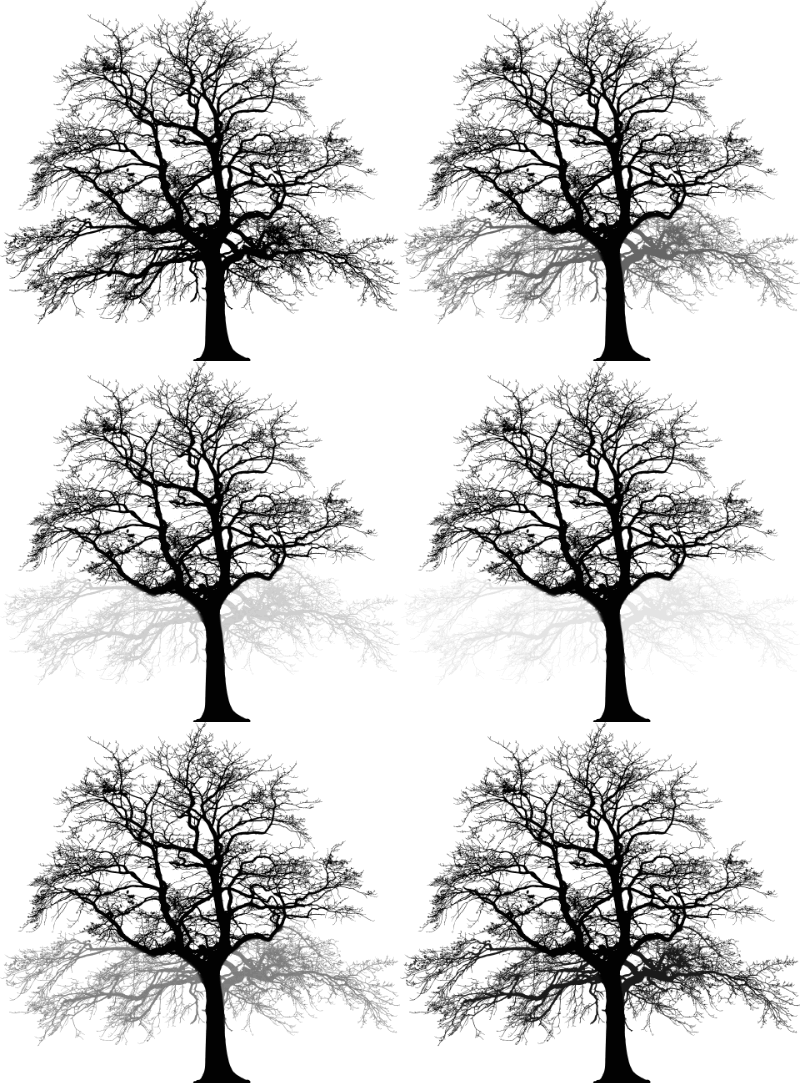
BranchLines specialise in reducing the body of trees by lifting/raising the crown, reducing the crown size, thinning the crown or annually pollarding the tree to keep it smaller than it would normally grow.
The main benefit for the tree of pruning is to reduce mechanical stress on individual branches or the whole tree, making the tree more suited to its immediate environment or to reduce the effects of shading and light loss on neighbouring properties.
In the case of a crown reduction, the final result retains the main framework of the crown, and so a significant proportion of the leaf bearing structure, and leaves a similar, although smaller outline.
When more light is required to pass through a tree, we often recommend crown thinning where we remove a portion of smaller/tertiary branches, usually at the outer crown, to produce a uniform density of foliage around an evenly spaced branch structure. Crown thinning does not alter the overall size or shape of the tree but does allow more light to pass through the tree and reduces the wind resistance of the tree.
In populated areas, low hanging trees that droop or sag can mean trouble for people, property and possessions. Not only do the trees look unattractive, they can also obstruct vision and possibly interfere with vehicular and pedestrian traffic. The trees are also susceptible to branches snapping, breaking and falling off during adverse weather conditions.
Where access is restricted by a tree's lower branches, we normally recommend a crown lift or raise which removes the lower branches leaving at least two thirds of the original tree in tact. We always work to a specified height of clearance above ground level for crown lifting jobs.
Crown Reduction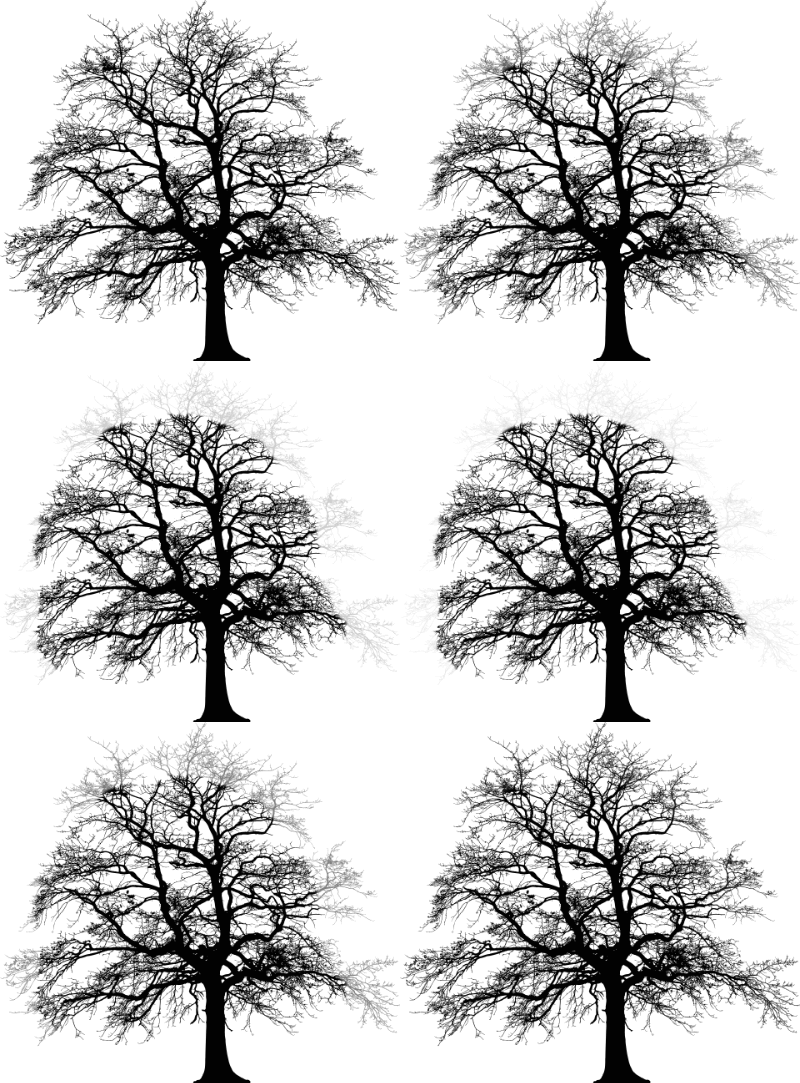
Crown Thinning
Crown Lifting